
Cough Assist Machines (CAMs)
Keeping people well at home, reducing hospital admissions, and supporting dignity and comfort
For many people living with long‑term neurological and respiratory conditions, an effective cough isn’t just important — it’s essential for staying well. Over the years, Dunstan Hospital has been incredibly fortunate to receive donated cough assist machines from generous community members. These machines have quietly played a vital role in helping people remain at home, maintain their independence, and avoid acute deterioration that can lead to hospital admission.
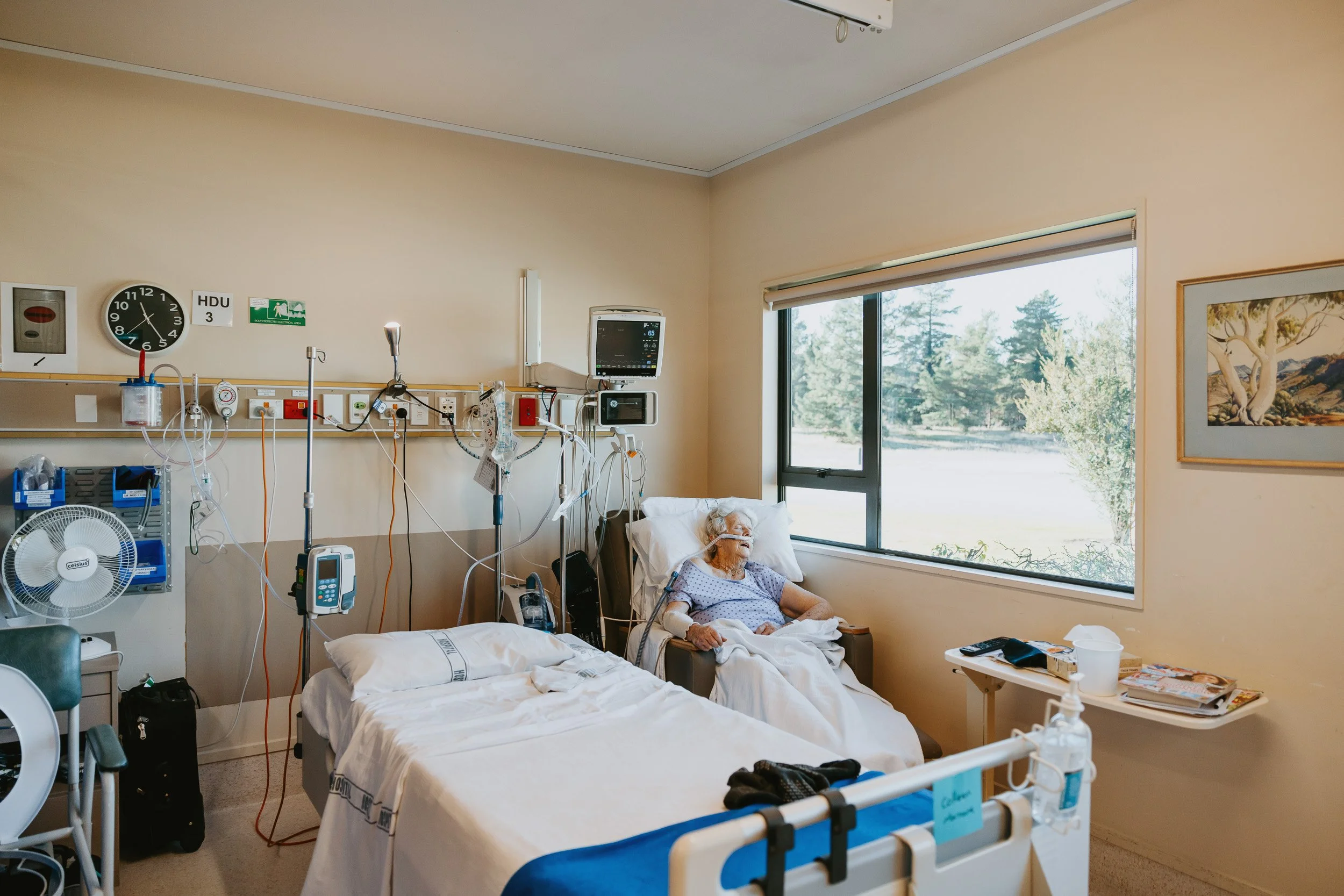
Our physiotherapy team also uses these devices on Vincent Ward to support recovery for acutely unwell patients (updated usage data to come). The machines help remove secretions, prevent infections, and reduce the risk of respiratory complications — all of which are even more critical in our rural setting, where long distances to specialist care create additional vulnerability.
Why We Need to Replace Them
The machines currently in circulation are ageing, no longer supported, and increasingly unreliable. Modern cough assist technology is significantly safer, more effective, and easier for families and clinicians to use. Replacement units are now urgently needed to ensure continuity of care for the patients who rely on them most.
Updated CAMs would make a measurable difference for our rural population by:
Supporting people to stay well at home for longer
Reducing avoidable hospital admissions
Enhancing comfort and quality of life at end‑of‑life stages
Providing more effective support for acutely unwell patients on Vincent Ward
Strengthening resilience across the wider rural health network
How Often We Use Them
Each year, Dunstan loans 4–6 cough assist machines to patients across our catchment. A single loan period typically lasts 2 months or longer, depending on the patient’s needs.
These machines are most commonly used for people with:
Motor Neurone Disease (MND)
End‑stage Multiple Sclerosis (MS)
Guillain–Barré Syndrome
Other neuromuscular conditions that impair the ability to cough effectively
In these situations, CAMs aren’t just helpful — they are essential tools that protect comfort, dignity, and quality of life.
Supporting the Wider Rural Region
Because Dunstan is part of a wider rural network and resources are limited region‑wide, we also share our devices with neighbouring rural communities. Our CAMs are routinely transported to:
Gore
Oamaru
Maniototo
This ensures patients across the region have timely access to critical respiratory support, even when services are stretched.

Community Impact So Far
One of our current CAMs was generously funded through local community fundraising — a powerful example of how our region looks after its own. New equipment will continue that legacy, ensuring people in Central Otago have access to the same high‑quality respiratory support found in larger centres.
Why This Is a High‑Impact Priority
Replacing our outdated cough assist machines is one of the Foundation’s priority needs for 2026. This project directly supports:
rural health equity
improved patient outcomes
reduced pressure on hospital services
greater comfort and dignity for people with progressive conditions
These machines may be small, but their impact is enormous.